
Male Infertility - Here’s the low down
Introduction
In 2017, public health expert and epidemiologist, Shanna Swan and her team found that male fertility had dropped by over 50% in the last 4 decades. Male factor infertility alone contributes to at least 30% of infertility cases experienced by opposite sex couples (BMJ) and is relevant in over 50% of all cases. When I first started treating fertility (over 15 years ago) IVF clinics focused on female reproduction. But now, male factor infertility is increasingly being diagnosed and its role in conception is more understood. However, there is still a shortfall of information and support for men. In this post, I will discuss:
What is infertility in men? What causes infertility? When should you go to the Doctor? How do they diagnose male infertility? What treatments are available? What is unexplained infertility?
Overview - what is infertility in men?
Male infertility is a condition that prevents a man from getting a woman pregnant after consistent, regular, unprotected sex for at least one year or if the female partner is over 36, for at least 6 months Male infertility is split into three main categories;
1. low or no sperm production
2. poor sperm action; in movement or morphology (sperm structure / form)
3. or issues with sperm delivery through blockages or damage to important delivery structures
What causes male infertility?
Various health conditions, certain medications, environmental pollutants or physical trauma / blockages can impact on fertility and sperm health. Here are some of them:
Varicoceles; veins that drain blood from the testicles become blocked and affect sperm motility and concentration. Can be corrected with a simple surgical procedure.
Physical trauma; sports injuries, relevant surgeries, prostrate, testicular may impact on sperm count
Infections; a variety of bacterial and viral infections, STDS, can cause inflammation within the reproductive system and reduce sperm health
Medications; chemotherapy drugs, radiation, anabolic steroids, some arthritis drugs can impact on sperm production. Speak to your GP if you are concerned.
Certain genetic disorders can reduce sperm motility and production e.g. Klinefelter Syndrome
Hormonal imbalances, which can affect the production of testosterone and other key hormones in fertility.
Anti- sperm Antibodies; a rare complication to conception in which the body’s immune system mistakenly identifies sperm as a pathogen and attacks it.
Environmental toxins and pollutants
Lifestyle: (smoking , alcohol, recreational drugs) - lack of exercise
Diet - poor nutrition
Obesity
When to see the Doctor.
You may feel embarrassed or reluctant to have your fertility investigated, but if you have been struggling to get pregnant for over a year (6 months) or you are experiencing any of the symptoms listed below then it really is time to checked out to see if there are any problems.
Reduced sexual function: erectile dysfunction (difficulty maintaining an erection), low / reduced seminal fluid / fewer - weaker orgasms
Low libido
Change in weight / loss of muscle mass / reduced body hair- could be signs of hormonal changes
Growth of breast tissue
Smelly semen / ejaculate or change of colour in semen (yellow, green or red)
Once problems have been identified, action can be taken to rectify these issues, and as infertility often times is asymptomatic, getting tested if you are struggling is strongly advised.
If you are diagnosed as having low fertility, you are not alone. Fertility issues are common, with some estimates of at least 15% of all men experiencing difficulties. There are support groups to be found on-line. I have listed key ones at the end of the blog.
How is male infertility diagnosed?
The initial test for male fertility is a semen analysis test. Semen is the fluid ejaculated by the man. It contains sperm, amino acids (proteins) and small amounts of fats, sugars, vitamins and minerals.
Ideally 2 samples should be provided, 3 months apart to properly assess your current fertility status.
A basic sperm test analyses:
Semen volume / consistency
Sperm concentration (sperm count)
Sperm movement (motility)
Sperm shape and size (morphology)
The pH of the semen sample
All aspects of a semen sample will be taken into account when interpreting your sample. Low levels in one aspect of the data does not mean you will be diagnosed as having infertility. See my post ‘Semen Analysis Explained’ for more details on what to expect and what your results mean.
If your sample suggests that further investigation is needed, you may meet with a urologist who specialises in male fertility or work with the IVF clinic practitioner/ specialist. More tests may follow dependent on your diagnosis. This may include a physical examination, blood tests, urine tests, ultrasound scans, specialised sperm tests and, in rare cases, testicular biopsies.
What are the treatments available?
Treatments are tailored to the diagnosis and issue/ s found.
Antibiotics to treat infections
Surgery to treat varicocele/s
Hormones to balance any deficiencies
Medications to treat any underlying conditions
Sometimes the investigations do not reveal any obvious results and you may find you are given the diagnosis- ‘Unexplained infertility’. This means that none of the usual tests have shown any obvious issues or causes.
Unexplained Infertility
It is estimated that about 20% - 40% of couples are given this diagnosis. For some couples this can be a relief. There are no obvious symptoms so with a bit of time and changes in lifestyle habits, they can get pregnant. For others, this diagnosis can bring confusion, disappointment and anger. Without a diagnosis there is nothing to ‘fix’ and work on. Couples who have been given this diagnosis make up much of my practice. Conventional treatments focus on ART- Artificial Reproductive Techniques (IVF / IUI ) however there is still much that can be done to improve your own fertility markers through nutrition and lifestyle changes. Acupuncture, nutrition and lifestyle changes can improve the quality of your sperm, whilst also helping manage life’s stresses and challenges
Male Fertility Support Groups UK
Sources for a non-toxic life
Advice on low toxic building materials - https://www.builderonline.com/products/green-products/how-to-choose-green-building-materials-for-a-healthy-home_o
Household brands - see my ‘How to reduce toxins in your home’ blog
Cosmetic brands- Environmental Working Group
https://www.ewg.org/the-toxic-twelve-chemicals-and-contaminants-in-cosmetics
Article Sources
‘The efficacy and mechanism of acupuncture in the treatment of male infertility: A literature review’ (2022) Jiaxing Feng, Hui He, Yu Wang, Xu Zhang , Xiuying Zhang, Tiantian Zhang, Mengyi Zhu, Xiaoke Wu, Yuehui Zhang
‘Male Infertility’ (2023)- The Cleveland Clinic my.clevelandclinic.org/health/diseases/17201-male-infertility
‘Male infertility’ (2022) - The Mayo Clinic www.mayoclinic.org/diseases-conditions/male-infertility/symptoms-causes/syc-20374773
‘Countdown’ (2022)- Shanna Swann- PhD & Stacey Colino
WHO-semen-table - Reference Ranges - Saint Mary's Hospital - mft.nhs.uk
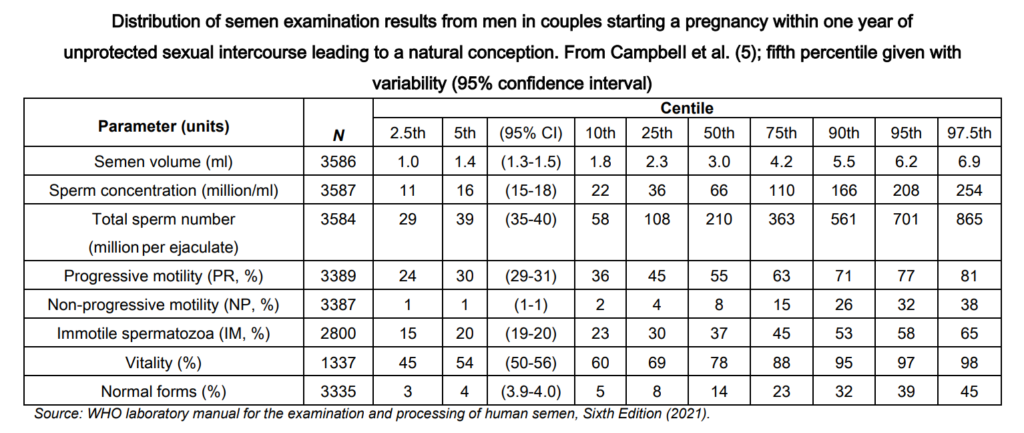
Semen analysis - Newcastle Hospitals NHS Foundation Trust newcastle-hospitals.nhs.uk
‘Causes of Infertility’ - (2023)- NHS- www.nhs.uk/conditions/infertility/causes/
‘Fathers Matter: Why It’s Time to Consider the Impact of Paternal Environmental Exposures on Children’s Health’ (2018) - Joseph M Braun, Carmen Messerlian, Russ Hauser
‘The Effects of Cigarette Smoking on Male ‘ (2015) Jason R Kovac, Abhinav Khanna, Larry I Lipshultz
Pesticide Action Network UK - www.pan-uk.org/dirty-dozen/
Fertile (2017) Emma Cannon